
Dr. Xu Fang Zhao
Senior System Engineer - Speech Recogntion senior System Engineer - Speech Recogntion General Moto
Dr. Tianyu Shi
Ph.D. Student, University of Toronto, Canada
Dr. Ramesh S.
Research Technical Fellow, General Motors, India

Dr. Enrico Zero
Assistant Professor of Automatic Control, Dept. of Computer Science, Bioengineering, Robotics, and Systems Engineering, University of Genova, Italy
Dr. Enrico Siri
Assistant researcher, INRIA Sophia-Antipolis, France
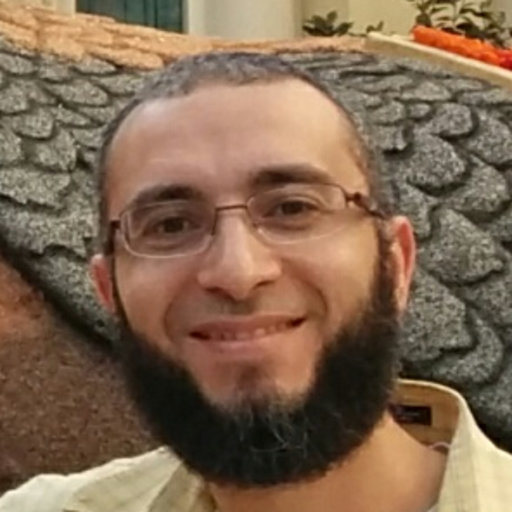
Dr. Amr Hilal
Virginia Tech University, United States
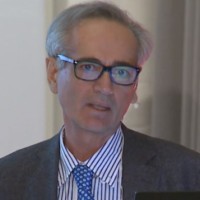
Dr. Nicos Komninos
Aristotle University of Thessaloniki | CEO, Intelspace Innovation Technologies, Greece

Dr. Gabriella Casalino
University of Bari Aldo Moro, Italy
Dr. Arata Endo
Information Initiative Center, Nara Institute of Science and Technology, Japan
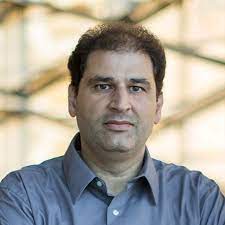
Dr. Basem Shihada
Associate Professor, Computer Science, Electrical, and Mathematical Science and Engineering Division, King Abdullah University for Science and Technology (KAUST), KSA
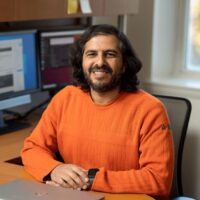
Dr. Ahmad Salman
James Madison University, Virginia, USA
Dr. Mustafa El-Nainay
Faculty of Computer Science and Engineering AlAlamein International University, Matrouh, Egypt
Dr. Araya Kibrom Desta
AI Laboratory, Aichi, Japan
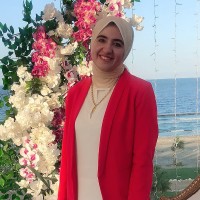
Dr. Heba M Abd El Atty
Port Said University | Huawei Academy Manager, Egypt

Dr. Hossam Farag
Department of Electronic Systems, Aalborg University, Denmark
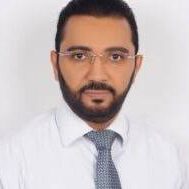
Dr. Suliman Fati
College of Computer & Information Sciences, Prince Sultan University, Riyadh, Saudi Arabia
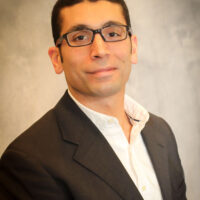
Dr. Ahmed Elnoshokaty
Northern Michigan University, USA
Dr. Toyokazu Akiyama
Graduate school of Frontier Informatics, Kyoto Sangyo University, Japan
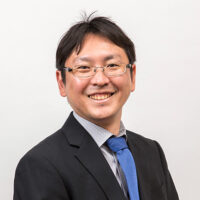
Dr. Hiroshi Yamamoto
College of Information Science and Engineering Department of Information Science and Engineering, Ritsumeikan University, Japan
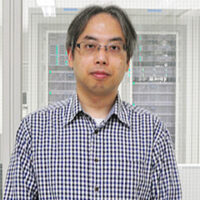
Dr. Masatoshi Kakiuchi
Information Initiative Center, Nara Institute of Science and Technology, Japan
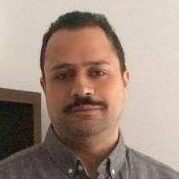
Dr. Ibrahim A. Hameed
Norwegian University of Science and Technology, SMI, Norway
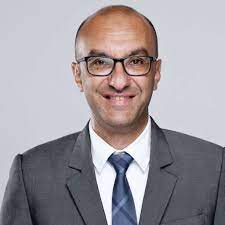
Dr. Mohammed El-Abd
College of Engineering and Applied SciencesAssociate | Full Professor of Computer Engineering, American University of Kuwait (AUK), Kuwait

Dr. Mohamed Azab
Yanbu Industrial College, KSA
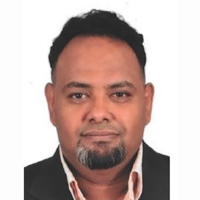
Dr. Islam Elgedawy
Faculty of Computer Science and Engineering , Alamein International University (AIU), Egypt
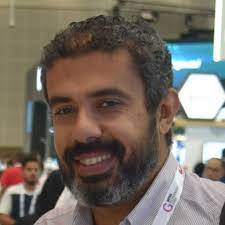
Dr. Bassem Mokhtar
United Arab Emirates University (UAEU), UAE

Dr. Ahmed Shaffie
Louisiana State University at Alexandria, LA, USA
Dr. Mohamed Khalefa
Suny Old Westbury University, USA
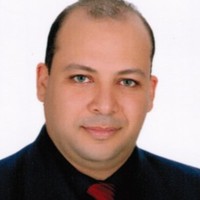
Dr. Ahmed Aboud
Huaiyin Institute of Technology, China
Dr. Suliman Fati
College of Computer & Information Sciences, Prince Sultan University, Riyadh, Saudi Arabia
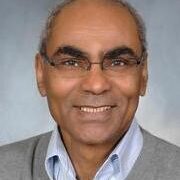
Dr. Shaaban Abdallah
Professor of Aerospace Engineering & Engineering Mechanics, University of Cincinnati, USA

Dr. Marco Picone
Università di Modena e Reggio Emilia, Italy

Dr. Nazli Siasi
Christopher Newport University, USA

Dr. Puya Ghazizadeh
St. Johns University, USA
Dr. Ali Ismail Awad
United Arab Emirates University, UAE

Dr. Chris Bachmann
James Madison University, USA

Dr. Hanaa Shaker
Zagazig University, Egypt